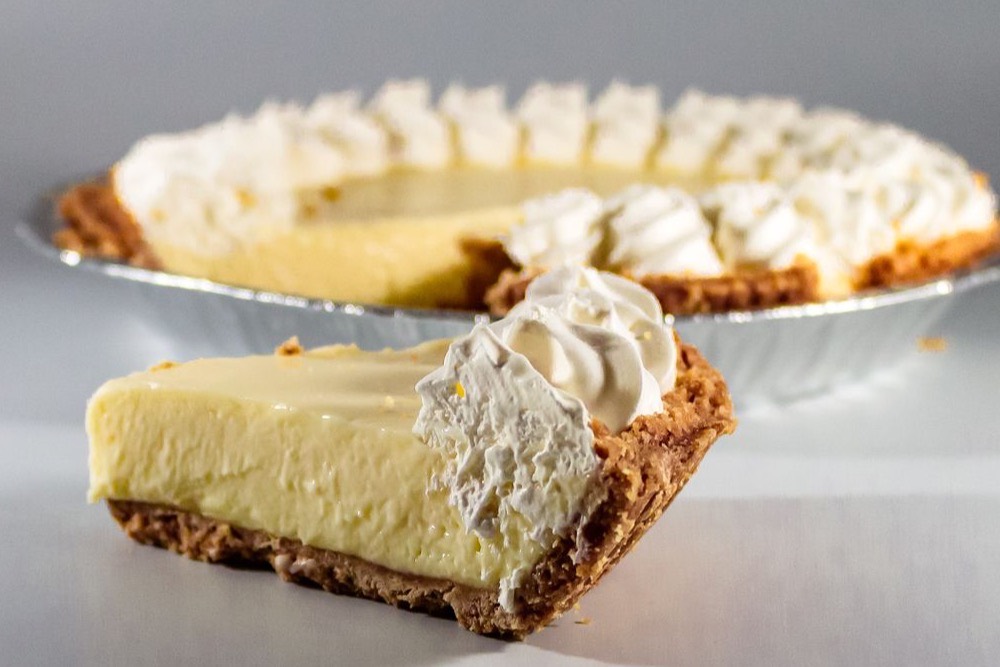
Buko Pie - quiet on the outside, sweet and artistic on the inside. You see beauty where others don't, feel deeply but rarely show it, and express yourself through creativity. You're softer than you let on, and that's your superpower.
You experience life in textures, colors, and feelings. A perfect sunset, the right song, the way light hits at golden hour - these things move you in ways words can't capture. You create not for fame or validation, but because you'll explode if you don't. Your art is your language when words fail. You're gentle, but not weak. Quiet, but not empty.
Your gift is finding and creating beauty in a harsh world. Your struggle? You feel too much in a world that values thinking over feeling. Your sensitivity gets dismissed as weakness when it's actually your superpower. Keep creating. Keep feeling. Keep being soft in a hard world. That takes more courage than people know. You're not too much. You're not too sensitive. You're exactly what this world needs.
Buko Pie is a beloved Filipino pastry filled with young coconut (buko) meat in a creamy, sweet filling, baked inside a flaky golden crust. It's the signature delicacy of Los Banos, Laguna, where roadside stalls compete for the title of best Buko Pie. The charm of Buko Pie lies in its simplicity β no elaborate decoration, just honest sweetness that delights on the first bite. Travelers passing through Laguna always bring boxes home as pasalubong (homecoming gifts).
The ISFP personality type β known as The Adventurer or The Composer β combines Introversion, Sensing, Feeling, and Perceiving. ISFPs are gentle, sensitive artists who experience the world through their senses and emotions. They have a natural eye for aesthetics and beauty, often expressing themselves through creative outlets like art, music, or design. ISFPs live in the present moment, fully immersing themselves in experiences and finding beauty in everyday life. Despite their quiet exterior, they have a strong inner value system that guides their decisions and actions.
Core Strengths: Genuine artistic sensibility that finds beauty in overlooked places, authentic presence that makes people feel truly accepted, flexibility and openness to experience, deep loyalty to individuals they care about, and a quiet courage to stay true to themselves regardless of trends or pressure.
Growth Areas: Extreme difficulty with confrontation and direct assertion of needs, can be overly self-critical, tendency to live so in the present that future planning suffers, sometimes misread as indifferent when they're actually deeply affected, and can struggle to communicate the rich inner world they experience.
ISFP stands for Introverted, Sensing, Feeling, and Perceiving. Known as "The Adventurer" or "The Artist," ISFPs are quiet free spirits who experience the world with extraordinary sensory and emotional richness. They make up about 5-9% of the population and are often described as private, gentle, and surprisingly adventurous β preferring to show who they are through action and creation rather than words.
Buko Pie is humble and approachable on the outside, but crack it open and you find something surprisingly rich and layered inside β tender coconut strips in a custard filling that rewards the patient taster. Like the ISFP, Buko Pie doesn't need to announce its quality; it simply is what it is, without pretense. Both represent the Filipino values of natural simplicity, quiet craftsmanship, and depth that only reveals itself to those who take their time.
ISFPs thrive in work that engages their senses, creativity, and genuine connection to the physical world. Top career fits: fine art and illustration, culinary arts and pastry, music and sound design, photography, fashion and textile design, veterinary care, landscape design, physical therapy, and outdoor or environmental work. They need work that feels like an expression of themselves, not just a transaction.
ISFPs often know exactly how they feel but struggle to voice it before the moment passes. Building assertiveness: practice one low-stakes honest statement per day (even just "I'd prefer X" in a casual conversation), write out thoughts before difficult conversations to find clarity, remember that your perspective has value and withholding it actually makes decisions worse for everyone, and work with a therapist or trusted friend to practice communicating needs before high-stakes situations arise.