Filipino Food Guide
The Stories Behind 16 Iconic Filipino Dishes
Filipino cuisine is a vibrant tapestry woven from centuries of cultural exchange, indigenous tradition, and creative adaptation. Influenced by Malay, Chinese, Spanish, American, and Japanese culinary traditions, Philippine food reflects a nation that has always been at the crossroads of cultures. Every dish tells a story — of resilience, community, celebration, and home.
In the Pinoy Food Personality Test, we pair each of the 16 MBTI personality types with an iconic Filipino dish that embodies similar qualities. Below, we explore the history, cultural significance, and personality connections of each dish featured in our test.
Adobo 🥘 — The Timeless National Treasure (ISTJ)
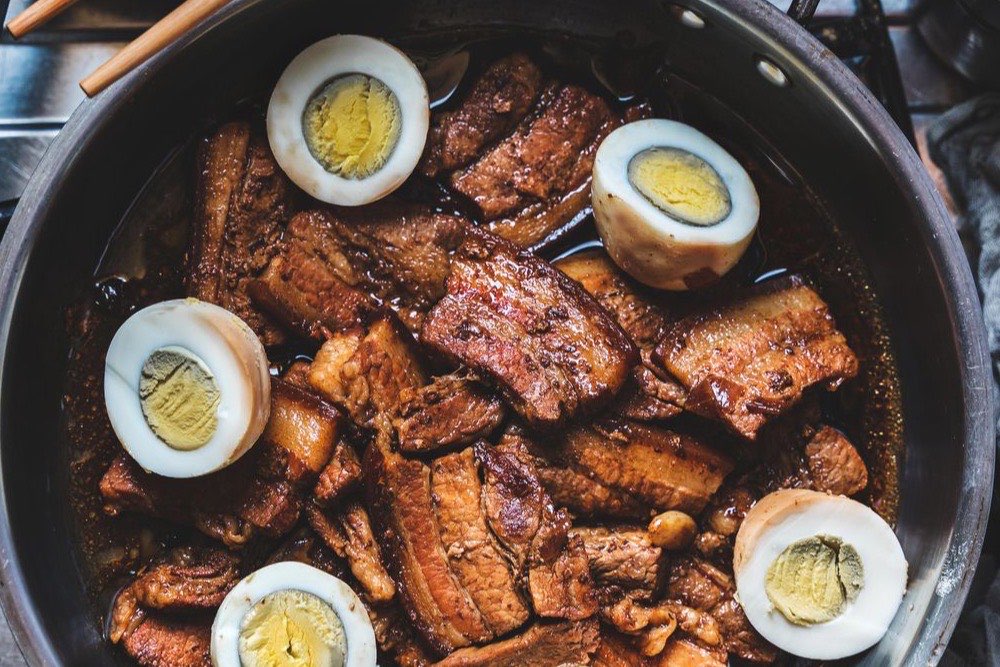
Often called the unofficial national dish of the Philippines, Adobo is a slow-braised dish of meat (usually chicken or pork) cooked in vinegar, soy sauce, garlic, bay leaves, and black peppercorns. Its origins predate Spanish colonization — early Filipinos preserved meat in vinegar, a technique the Spanish called "adobo" (from the Spanish word "adobar," meaning to marinate). Every Filipino family has their own Adobo recipe, passed down through generations, making it one of the most personal dishes in the culture. Like the ISTJ personality, Adobo represents reliability, tradition, and quiet excellence.
Sinigang 🍲 — The Comfort of Home (ISFJ)
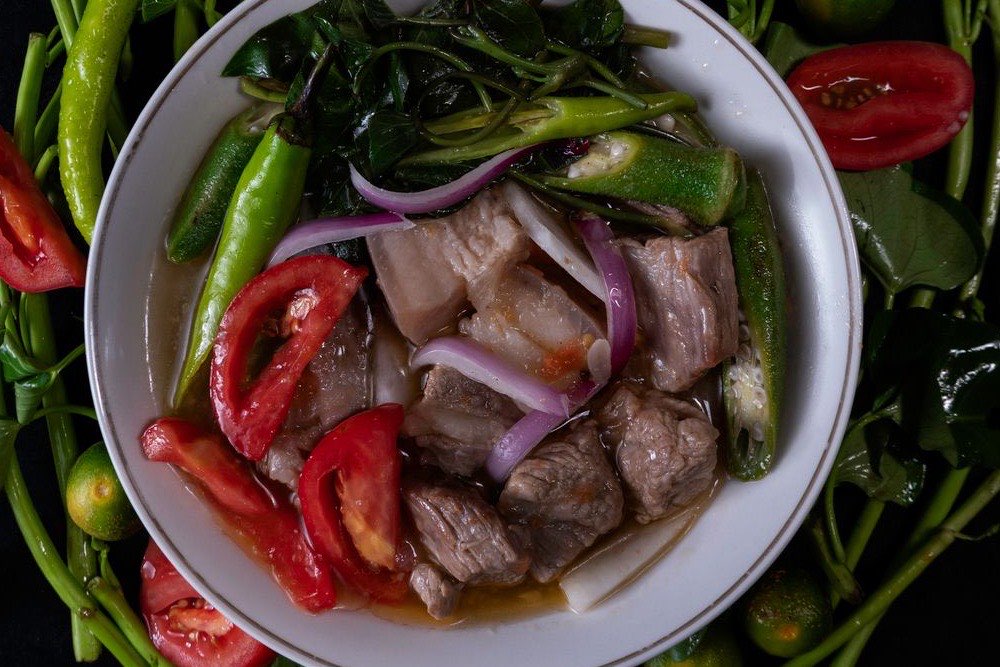
Sinigang is a sour soup traditionally made with tamarind (sampalok), though variations use guava, calamansi, or green mango as the souring agent. Filled with vegetables like kangkong (water spinach), radish, tomatoes, and your choice of pork, shrimp, or fish, Sinigang is the dish Filipinos crave during rainy season or whenever they need emotional comfort. It represents the Filipino value of "malasakit" — genuine care and concern for others. Like the ISFJ personality, Sinigang is nurturing, dependable, and always there when you need it most.
Kare-Kare 🥜 — Layers of Complexity (INFJ)
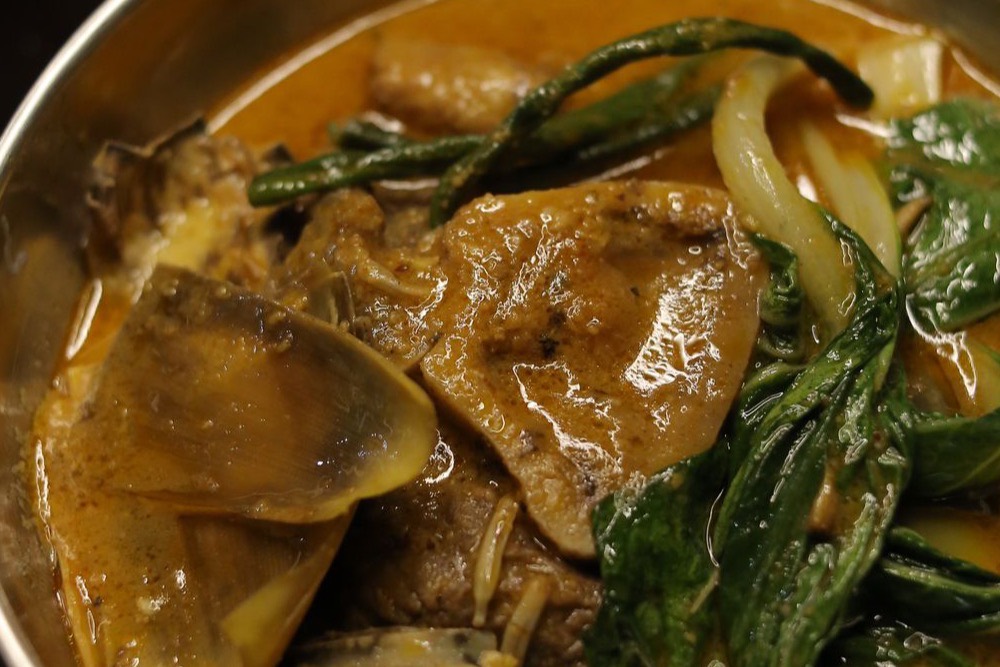
Kare-Kare is a rich peanut-based stew made with oxtail, tripe, and vegetables like banana blossom, eggplant, and string beans. The dish requires patience and skill — the peanut sauce must be thick and velvety, the meat tender enough to fall off the bone. Served with fermented shrimp paste (bagoong) on the side, it's a dish of contrasts and layers. Its origins are debated: some trace it to Indian curry influences, while others connect it to the Kapampangan culinary tradition of Pampanga province. Like the rare INFJ personality, Kare-Kare is complex, deeply satisfying, and often misunderstood at first glance.
Kapeng Barako ☕ — Bold Batangas Pride (INTJ)

Kapeng Barako is a strong, aromatic coffee variety grown in the Batangas and Cavite provinces of the Philippines. The name "barako" comes from the Tagalog word for a stud bull, reflecting the coffee's bold, powerful character. Liberica beans give Barako its distinctive intense flavor and full-bodied aroma that sets it apart from commercial coffee varieties. Historically, Barako was the coffee of choice in Philippine cafes before international chains arrived. Like the INTJ personality, Kapeng Barako is intense, strategic, and commands respect through substance rather than showmanship.
Kinilaw 🐟 — Fresh and Fearless (ISTP)
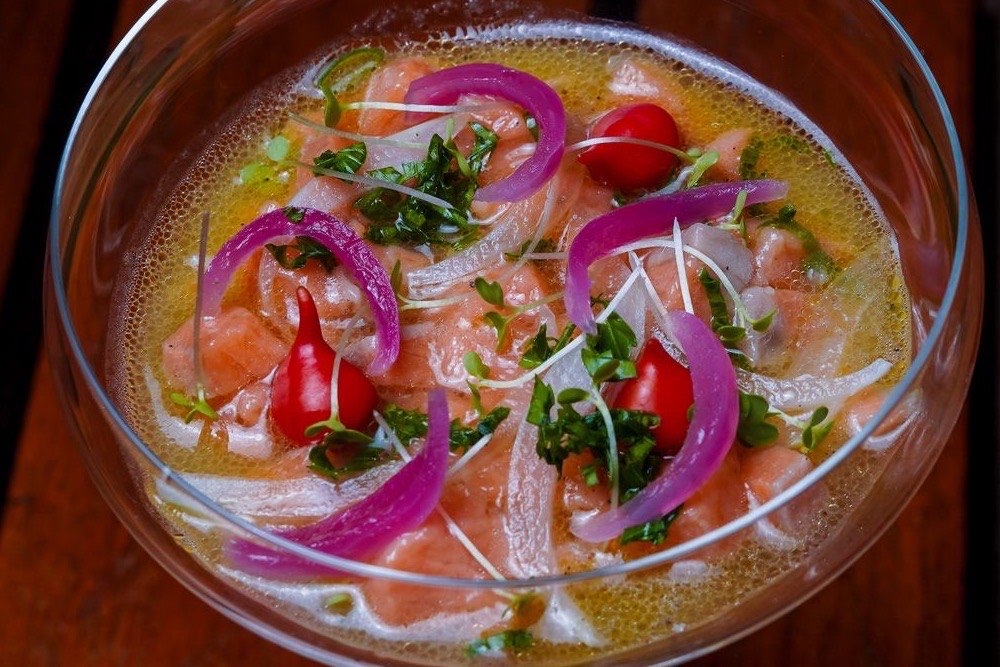
Kinilaw is the Filipino version of ceviche — fresh raw fish "cooked" in vinegar or citrus juice (typically calamansi), mixed with onions, ginger, chili peppers, and coconut milk. Originating from the Visayas region, Kinilaw predates the arrival of any foreign influence, making it one of the most authentically Filipino preparations. The dish requires the freshest catch and precise technique — too much acid and the fish becomes tough; too little and it stays raw. Like the ISTP personality, Kinilaw is refreshingly direct, resourceful, and quietly impressive.
Buko Pie 🥥 — Sweet Laguna Surprise (ISFP)
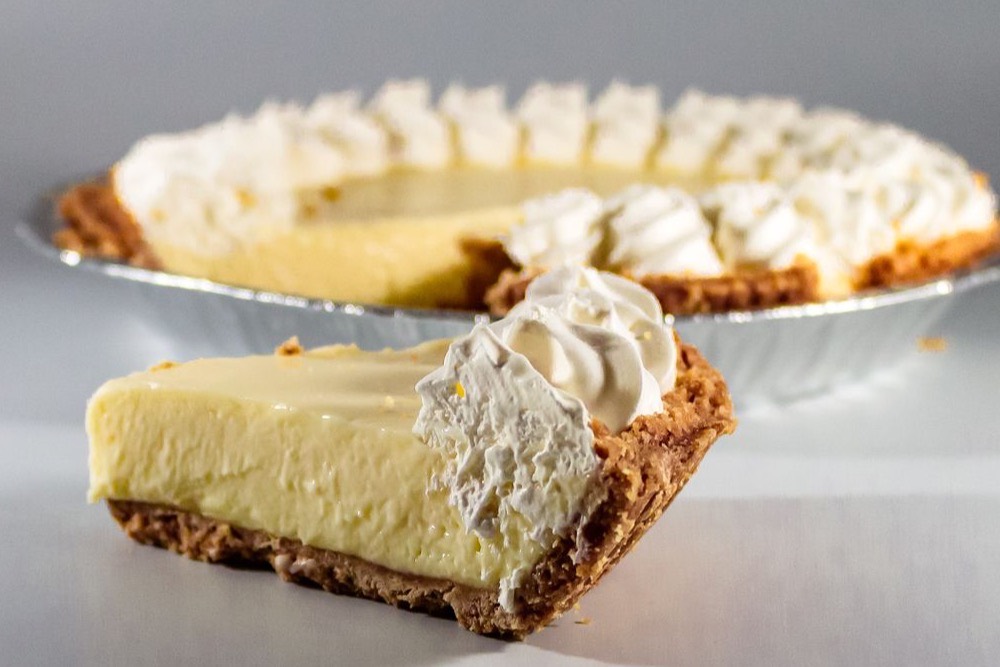
Buko Pie is a beloved Filipino pastry filled with young coconut (buko) meat in a creamy, sweet filling, baked inside a flaky golden crust. It's the signature delicacy of Los Banos, Laguna, where roadside stalls compete for the title of best Buko Pie. The charm of Buko Pie lies in its simplicity — no elaborate decoration, just honest sweetness that delights on the first bite. Travelers passing through Laguna always bring boxes home as pasalubong (homecoming gifts). Like the ISFP personality, Buko Pie is gentle, genuine, and full of hidden artistry.
Champorado 🍫 — Warmth in a Bowl (INFP)
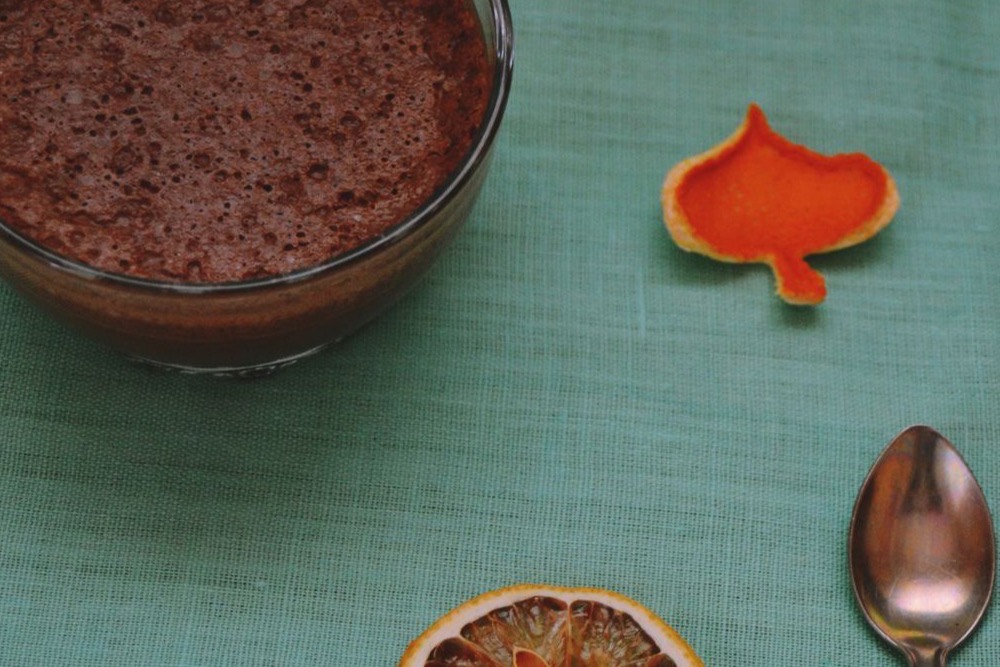
Champorado is a sweet chocolate rice porridge made by cooking glutinous rice (malagkit) with tablea — traditional Filipino cacao tablets. Often drizzled with evaporated milk and served for breakfast or merienda (afternoon snack), Champorado is pure comfort food that transports Filipinos back to childhood mornings. Its origins blend indigenous rice culture with the cacao introduced during the Spanish colonial period. Uniquely, Champorado is sometimes paired with dried salted fish (tuyo), a sweet-salty combination that perfectly captures Filipino ingenuity. Like the INFP personality, Champorado is deeply comforting, creatively unique, and nourishes the soul.
Balut 🥚 — Brave and Unexpected (INTP)
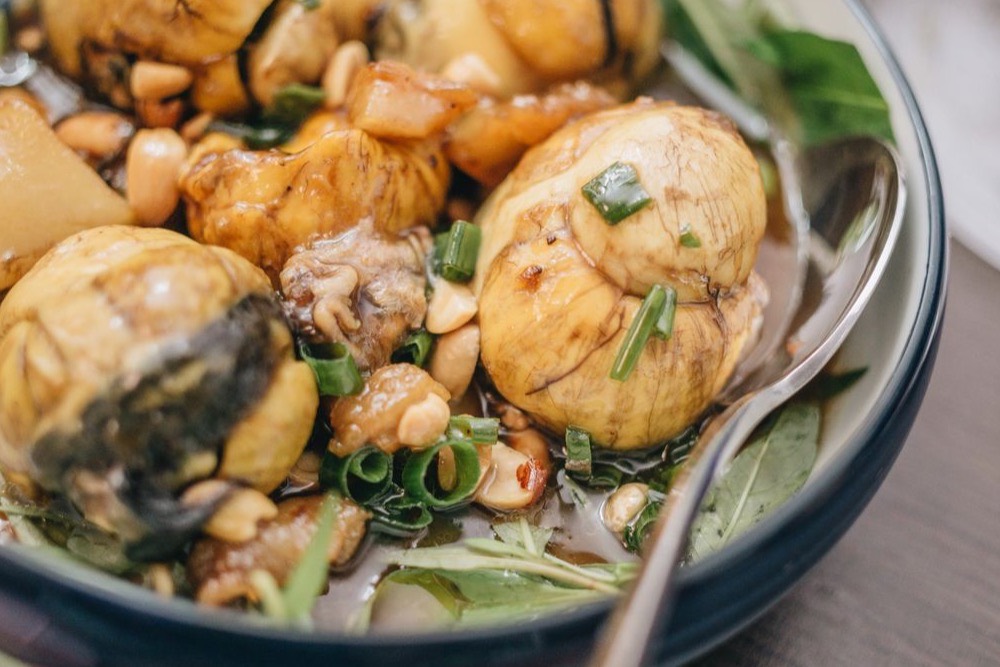
Balut is a fertilized developing duck egg with a partially formed embryo, boiled and eaten from the shell. While it often surprises visitors, Balut is a beloved street food and cultural icon in the Philippines, enjoyed with a pinch of salt and a splash of vinegar. High in protein and considered an aphrodisiac, Balut is typically sold by vendors walking through neighborhoods at night, calling out "Baluuuut!" It represents Filipino boldness and the willingness to embrace what others might not understand. Like the INTP personality, Balut challenges first impressions and rewards those who approach with an open mind.
Isaw 🍢 — Street-Smart Adventure (ESTP)
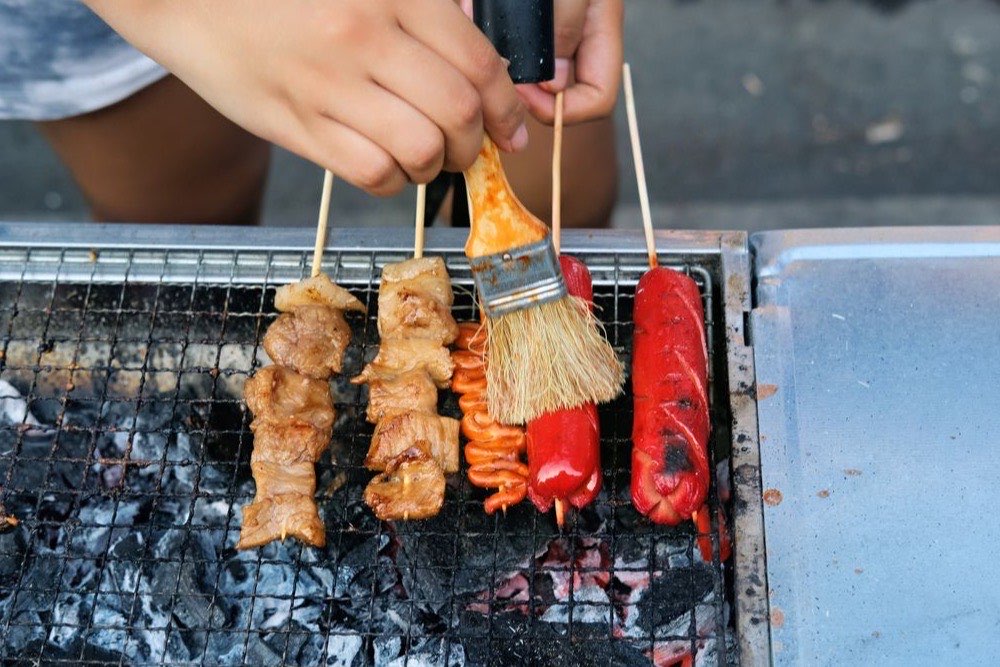
Isaw refers to grilled chicken or pork intestines, cleaned meticulously and threaded onto bamboo skewers before being charcoal-grilled to smoky perfection. A staple of Filipino street food culture, Isaw is typically dipped in spiced vinegar or sweet banana ketchup. Found outside schools, parks, and busy street corners, it represents the vibrant energy of Filipino street life. Eating Isaw is an experience — the smoky aroma, the sizzling sounds, the communal atmosphere of shared sidewalk meals. Like the ESTP personality, Isaw is bold, unpretentious, and thrives in the energy of the moment.
Crispy Pata 🍖 — Life of the Fiesta (ESFP)
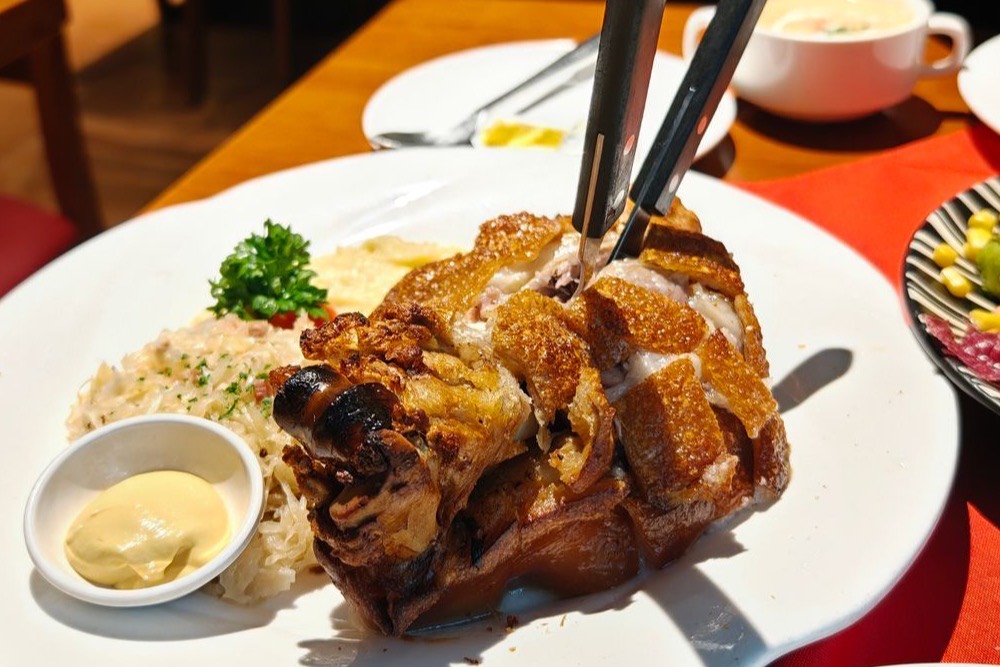
Crispy Pata is a deep-fried pork leg that achieves a glorious contrast: shatteringly crispy golden skin on the outside and tender, succulent meat within. It's the showstopper dish at Filipino celebrations — fiestas, birthdays, and holiday gatherings are incomplete without it. The preparation requires boiling the pork leg until tender, then deep-frying until the skin blisters and crackles. Served with soy-vinegar dipping sauce, Crispy Pata is meant to be shared and celebrated. Like the ESFP personality, it commands attention, brings people together, and makes every occasion memorable.
Halo-Halo 🌈 — Beautiful Filipino Chaos (ENFP)
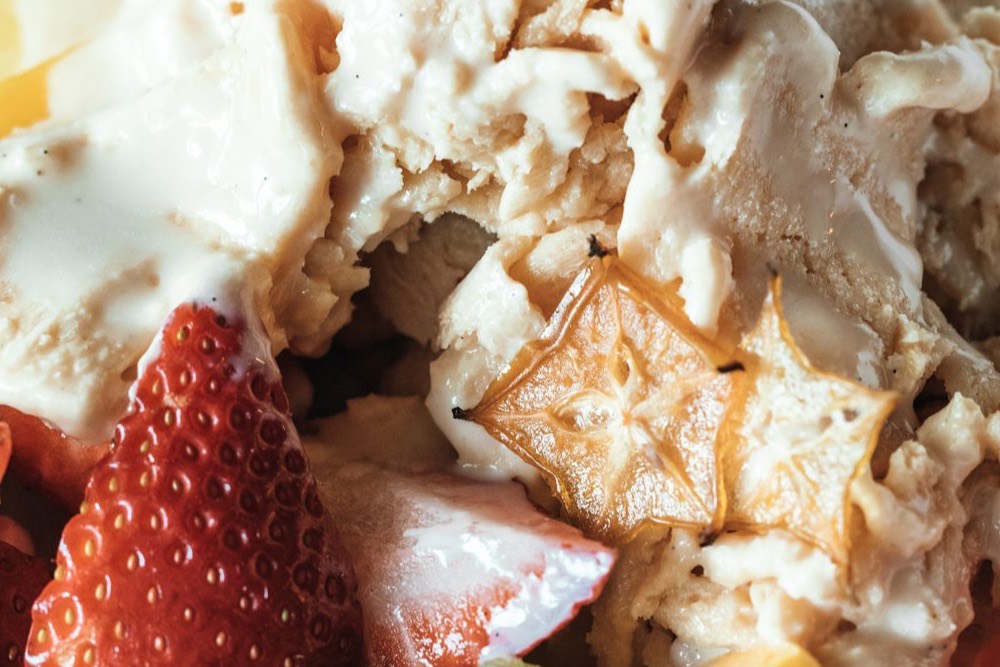
Halo-Halo (literally "mix-mix" in Tagalog) is a layered shaved ice dessert that combines sweet beans, jellies, coconut strips, jackfruit, ube (purple yam) ice cream, leche flan, and more — all mixed together into a glorious, colorful creation. With roots in the Japanese kakigori brought to the Philippines before World War II, Halo-Halo evolved into something uniquely Filipino, incorporating local ingredients and becoming a beloved summer staple. Every ingredient brings something different, yet together they create perfect harmony. Like the ENFP personality, Halo-Halo is creative, vibrant, and proof that wonderful things happen when you bring diverse elements together.
Sisig 🌶️ — The Great Reinvention (ENTP)
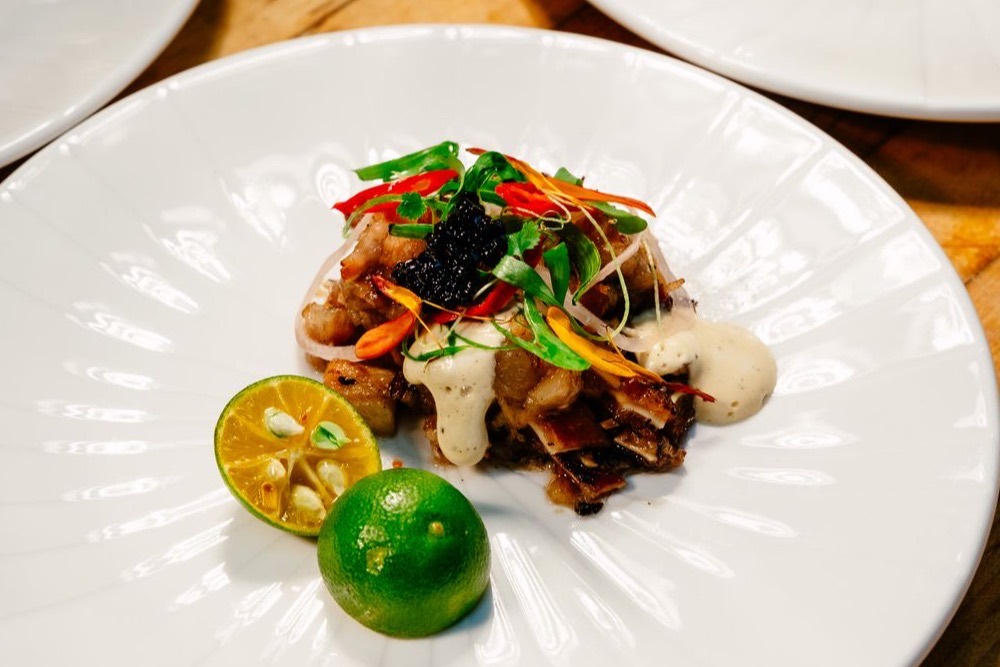
Sisig is a sizzling dish of chopped pig face and ears, seasoned with calamansi, chili peppers, and onions, served on a hot plate with a raw egg on top that cooks from the residual heat. Originally from Pampanga, the "Culinary Capital of the Philippines," Sisig was reinvented in the 1970s by Lucia Cunanan (Aling Lucing), who transformed what was once considered food scraps into one of the country's most iconic dishes. Sisig represents Filipino resourcefulness and innovation — turning the overlooked into something extraordinary. Like the ENTP personality, Sisig disrupts expectations and proves that the best ideas come from unconventional thinking.
Pancit Canton 🍜 — Reliable and Essential (ESTJ)
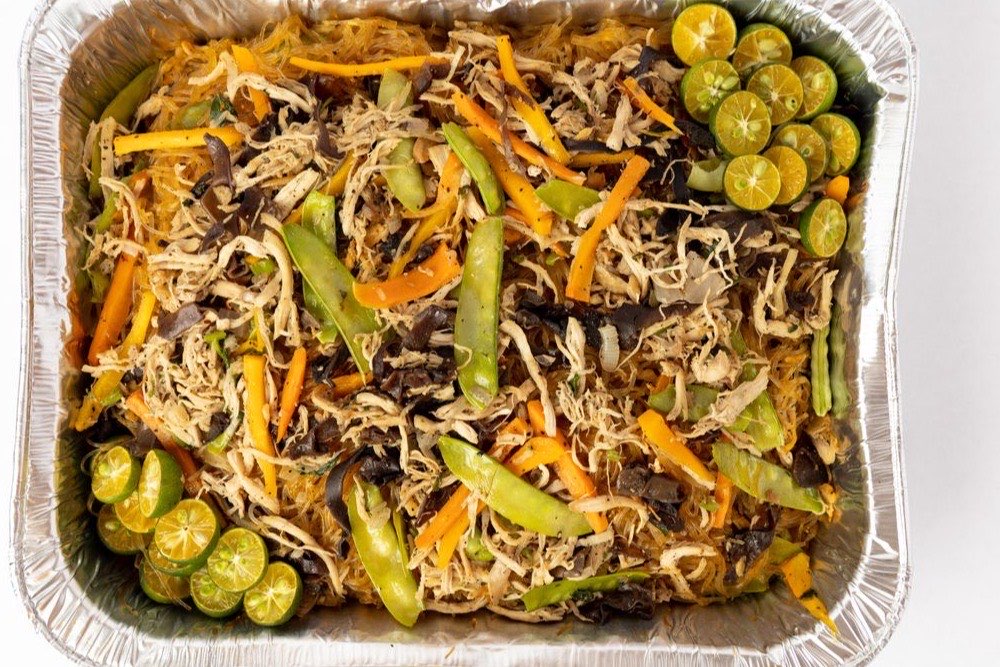
Pancit Canton is a stir-fried egg noodle dish with vegetables and meat, seasoned with soy sauce and calamansi. Brought to the Philippines by Chinese immigrants centuries ago, Pancit has become deeply integrated into Filipino culture. It's served at birthday celebrations (symbolizing long life), everyday meals, and everything in between. The instant noodle version is a cultural icon in itself — affordable, convenient, and found in every Filipino household. Like the ESTJ personality, Pancit Canton is efficient, organized, and essential to the smooth running of daily life.
Lumpia 🌯 — Everyone's Favorite (ESFJ)
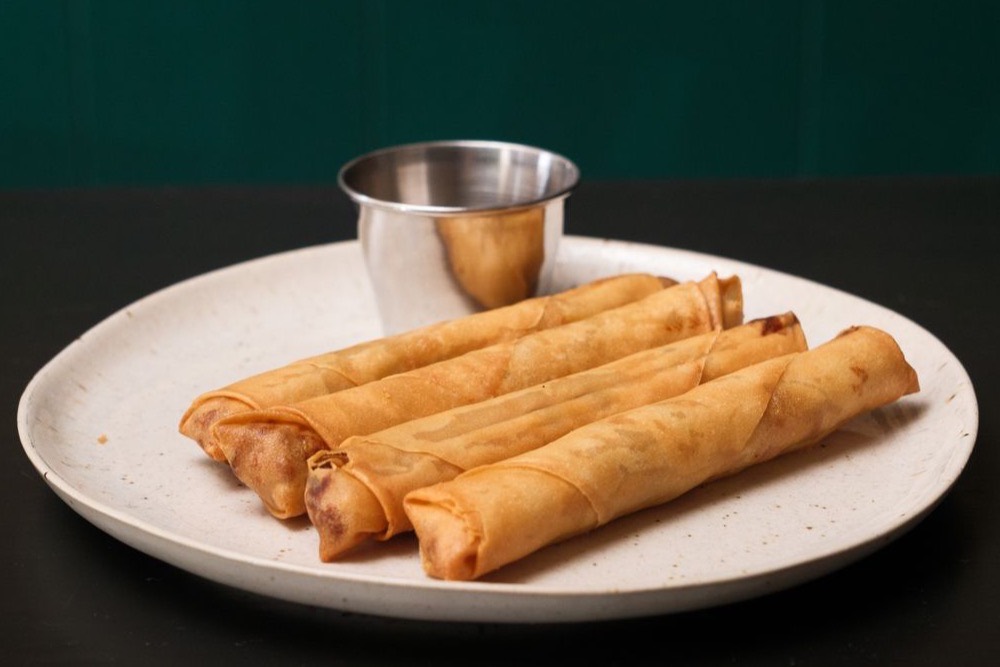
Lumpia are Filipino spring rolls, with the crispy fried variety (Lumpia Shanghai) being the most well-known. Filled with ground pork, vegetables, and spices, then wrapped in thin crepe-like wrappers and deep-fried to golden perfection, Lumpia is the dish that appears at every Filipino gathering without exception. The communal act of wrapping Lumpia together — family members gathered around the kitchen table — embodies Filipino bayanihan (community spirit). Like the ESFJ personality, Lumpia brings people together, makes everyone feel welcome, and is universally loved across all ages.
Taho 🥤 — Morning Sweetness (ENFJ)

Taho is a warm Filipino street food made of fresh soft silken tofu, arnibal (sweet caramelized brown sugar syrup), and sago (tapioca pearls). Sold by roaming vendors who carry two large aluminum buckets on a bamboo pole across their shoulders, Taho vendors are a beloved part of Filipino morning routines. The cry of "Tahoooo!" echoing through the neighborhood streets signals the start of a good day. Taho represents the simple sweetness of Filipino community life. Like the ENFJ personality, Taho brings warmth, encouragement, and a sense of care to everyone it touches.
Lechon 👑 — The Grand Centerpiece (ENTJ)
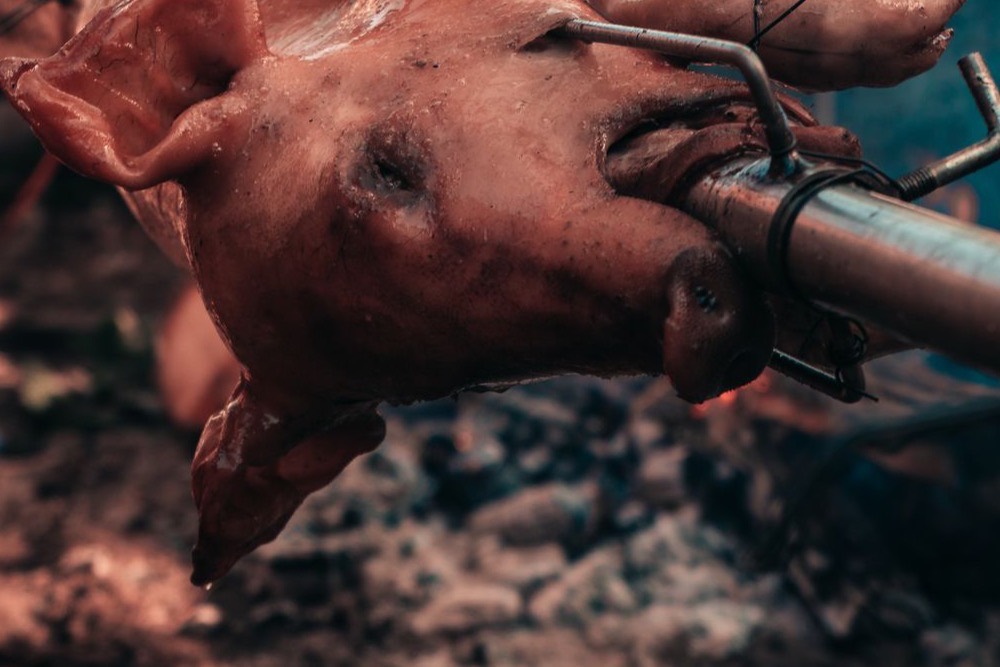
Lechon is a whole roasted pig, slowly cooked over charcoal for hours until the skin is perfectly crispy and the meat is impossibly tender and flavorful. It is the undisputed centerpiece of Filipino celebrations — fiestas, weddings, Christmas, and any event worth celebrating. Cebu is particularly famous for its Lechon, which the late Anthony Bourdain called "the best pig ever." The preparation is a community event: someone tends the fire, another bastes the pig, and everyone anticipates the first crack of that golden skin. Like the ENTJ personality, Lechon is commanding, ambitious, and sets the standard for excellence.
Filipino Food: More Than Just a Meal
Filipino food is more than sustenance — it's a language of love, community, and cultural identity. Every dish carries generations of history, from pre-colonial preservation techniques to Spanish-era innovations to modern Filipino creativity. Whether it's the shared experience of wrapping Lumpia with family, the nostalgia of hearing the Taho vendor's call, or the pride of presenting a perfectly roasted Lechon at a celebration, food in the Philippines is how people connect, remember, and celebrate who they are.
Our Pinoy Food Personality Test celebrates this rich culinary heritage by connecting the 16 MBTI personality types to the dishes that embody their best qualities. Take the test to discover which Filipino food represents your personality!