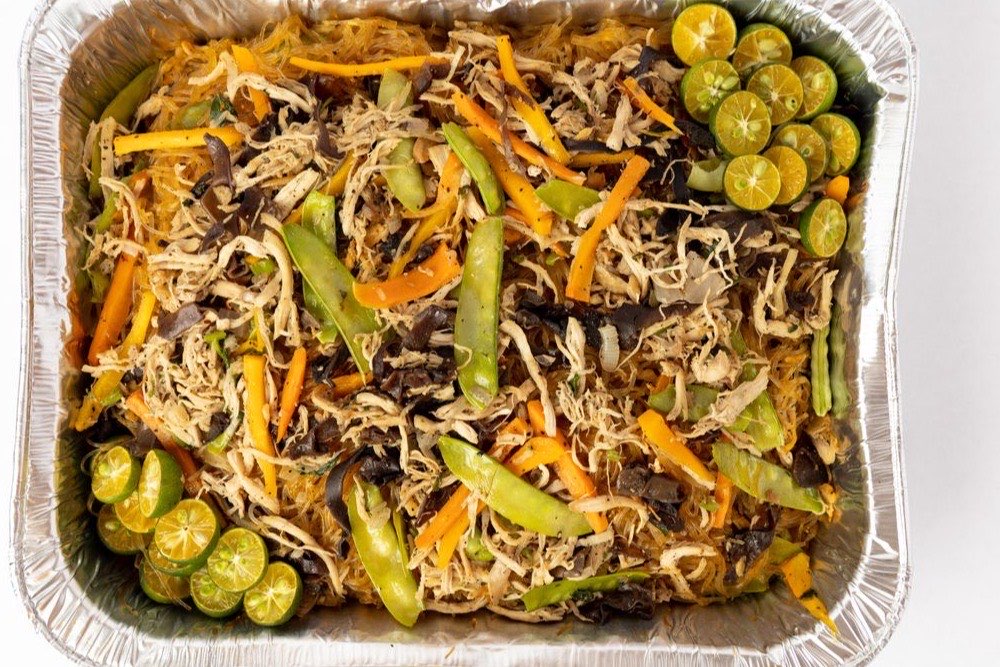
Pancit Canton - structured, essential, gets things DONE. While everyone's still discussing the plan, you've already executed it. You're the project manager friend, the one who actually reads the instructions. Chaos fears you.
You don't just make to-do lists - you conquer them before breakfast. You have systems, structures, and standards. 'That's good enough' isn't in your vocabulary. You believe in hard work, responsibility, and doing things the right way. When everyone's panicking, you're already five steps ahead with a contingency plan. You're the adult in every room.
Your strength is turning chaos into order with military precision. Your weakness? Sometimes you're so focused on efficiency, you forget people aren't machines. Not everyone operates at your level, and that's okay. Leadership isn't just about getting things done - it's about bringing people along. Slow down occasionally. The goal will still be there, and you might enjoy the journey more.
Pancit Canton is a stir-fried egg noodle dish with vegetables and meat, seasoned with soy sauce and calamansi. Brought to the Philippines by Chinese immigrants centuries ago, Pancit has become deeply integrated into Filipino culture. It's served at birthday celebrations (symbolizing long life), everyday meals, and everything in between. The instant noodle version is a cultural icon in itself β affordable, convenient, and found in every Filipino household.
The ESTJ personality type β known as The Executive or The Supervisor β combines Extraversion, Sensing, Thinking, and Judging. ESTJs are natural organizers and leaders who bring structure, efficiency, and order to every environment they enter. They are direct, honest, and dedicated to upholding traditions and standards. ESTJs believe in doing things the right way and leading by example. Their strong work ethic and practical mindset make them highly effective at managing projects, teams, and organizations. They are the people who make things happen, turning plans into reality with determination and discipline.
Core Strengths: Exceptional organizational ability, strong work ethic, reliability you can set your watch to, directness that cuts through confusion, and the discipline to see complex projects through from planning to completion. When an ESTJ says they'll do something, consider it done.
Growth Areas: Can be inflexible with rules and procedures even when circumstances have changed, tendency to judge others by their own high standards, difficulty adapting to ambiguity, and sometimes prioritizing "the right way" over the effective way. ESTJs must develop flexibility and empathy for different working styles.
ESTJ stands for Extraverted, Sensing, Thinking, and Judging. Known as "The Executive" or "The Supervisor," ESTJs are natural administrators who thrive on order, tradition, and getting things done correctly. They make up about 8-12% of the population and are frequently found in management, military, and civic leadership roles.
Pancit Canton is the dependable backbone of Filipino dining: it's at every birthday party (symbolizing long life), every gathering, every emergency meal. It's practical, reliable, and satisfying without requiring drama or improvisation. Like the ESTJ, Pancit Canton doesn't try to be trendy β it simply delivers, consistently, every single time. That's a legacy built on trust.
ESTJs excel in structured environments with clear hierarchies, rules, and measurable outcomes. Top career paths include: business management and administration, military and law enforcement leadership, law and legal administration, accounting and finance, government and civil service, operations management, project management, and engineering. They find deep satisfaction in building systems that stand the test of time.
ESTJs' directness and high standards are genuine strengths, but they can inadvertently make team members feel criticized or micromanaged. Growth steps: practice acknowledging effort alongside results ("I can see how hard you worked on this"), ask questions before assuming someone did something wrong, experiment with flexible approaches to routine tasks, and actively seek feedback on your leadership style from trusted colleagues.