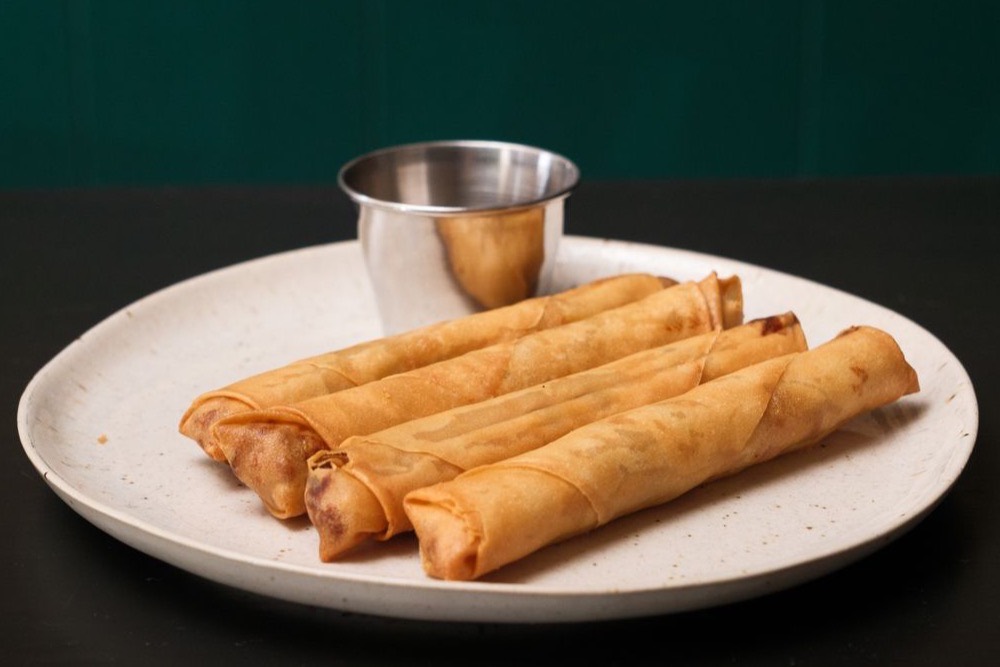
Lumpia - literally everyone's favorite. You're the glue of your friend group, the one who plans gatherings and makes sure nobody feels left out. Your love language is feeding people and making sure they're happy. You're a treasure.
You're the friend who remembers everyone's dietary restrictions, coordinates the group chat, and somehow knows exactly what everyone needs before they ask. You create communities, not just friend groups. You live for those moments when everyone's together, laughing, and happy - and you made it happen. Harmony is your goal, connection is your currency.
Your gift is creating warmth and belonging wherever you go. Your challenge? You care so much about everyone's feelings that sometimes you neglect your own. You're so busy making sure everyone's okay that you forget to check in with yourself. Here's permission to prioritize YOU sometimes. Say no. Set boundaries. Rest. The people who truly love you will understand - and if they don't, maybe they don't deserve your lumpia.
Lumpia are Filipino spring rolls, with the crispy fried variety (Lumpia Shanghai) being the most well-known. Filled with ground pork, vegetables, and spices, then wrapped in thin crepe-like wrappers and deep-fried to golden perfection, Lumpia is the dish that appears at every Filipino gathering without exception. The communal act of wrapping Lumpia together β family members gathered around the kitchen table β embodies Filipino bayanihan (community spirit).
The ESFJ personality type β known as The Consul or The Provider β combines Extraversion, Sensing, Feeling, and Judging. ESFJs are warm, social, and caring individuals who thrive on creating harmony and making others feel welcome. They are attentive to people's needs and emotions, often putting others' well-being before their own. ESFJs are the social glue that holds communities together, organizing events, remembering important details about people's lives, and creating a sense of belonging wherever they go. Their generosity and loyalty make them beloved friends and family members.
Core Strengths: Warm generosity, exceptional organizational skills, deep loyalty to family and community, the ability to remember what matters to the people they love, and creating environments where everyone feels included and cared for.
Growth Areas: Strong need for approval can lead to people-pleasing, difficulty handling direct criticism, tendency to be rigid about traditions and proper procedure, and sometimes prioritizing harmony over honesty. ESFJs must learn that authentic care includes the courage to have hard conversations.
ESFJ stands for Extraverted, Sensing, Feeling, and Judging. Known as "The Consul" or "The Provider," ESFJs are warm, organized, and deeply committed to their relationships and communities. They make up roughly 12% of the population β the second most common type β and are the glue that holds families and communities together.
Lumpia is the ultimate expression of care wrapped in a package: handmade, prepared in large batches to feed everyone, passed around generously, and almost always made by the most nurturing person in the family. Like the ESFJ, Lumpia shows up at every important occasion. It's not flashy, but it's always there, always delicious, and its absence would be immediately noticed by everyone.
ESFJs thrive in roles built on human connection, service, and organized community care. Top career paths include: nursing and healthcare administration, teaching, social work, event planning, human resources, non-profit management, restaurant or hospitality management, customer relations, and community organizing. They find deep purpose in roles where their efforts visibly improve others' lives.
ESFJs naturally avoid conflict and may suppress their own needs to maintain harmony. Growth in this area means recognizing that avoiding necessary conflict often creates bigger problems later. Practical steps: practice stating needs directly with "I" statements, remember that a momentary awkward conversation protects long-term relationship health, and seek out a trusted mentor who can model healthy assertiveness.