16 Filipino Dishes, 16 Personality Types
The complete guide to every pairing and why it works
By Sam · Published April 5, 2026
Why Filipino Food and Personality Science Go Together
Filipino cuisine is not just food — it's a language of identity, history, and values. Each iconic dish carries centuries of cultural meaning, shaped by indigenous traditions and waves of influence from China, Spain, America, and beyond. The MBTI personality framework, meanwhile, maps the 16 fundamental patterns of human character through four dimensions: how we energize, how we perceive, how we decide, and how we organize our lives.
When you look at these 16 dishes and 16 personality types side by side, the connections are striking. Here is a deep dive into every pairing — the personality, the dish, and the thread that binds them.
The Analysts
INTJ — Kapeng Barako: The Architect personality type is independent, strategic, and utterly uninterested in being liked by people who don't understand them. Kapeng Barako, the bold, intensely strong coffee grown in Batangas, shares this quality exactly. It doesn't try to be sweet or approachable — it is what it is, at full strength, and the people who truly appreciate it wouldn't have it any other way. Like the INTJ, Kapeng Barako is an acquired taste that rewards those with the patience and discernment to meet it on its own terms.
INTP — Balut: The Logician personality type is endlessly curious, thoroughly misunderstood by the majority, and deeply fascinating to those who take the time to engage. Balut — the fertilized duck egg that is simultaneously the most controversial and most intellectually interesting food in Filipino culture — matches this perfectly. Most people form strong opinions about Balut without ever trying to understand it. The rare person who approaches it with genuine intellectual openness discovers something genuinely unique. The INTP experience in food form.
ENTJ — Lechon: The Commander doesn't enter a room quietly. Neither does Lechon. This whole roasted pig — gleaming, crackling, requiring hours of meticulous preparation — commands the center of every celebration and leaves no doubt about who the most important presence at the table is. ENTJs are born to lead, to be noticed, and to reward the effort they demand of themselves and others. Lechon is the only dish that matches that energy entirely.
ENTP — Sisig: The Debater takes humble, overlooked ingredients and transforms them through unconventional thinking into something unexpectedly brilliant. Sisig — made from pork head and liver, sizzled on a hot plate with citrus and chili — does exactly the same thing. Both the ENTP and Sisig refuse to accept conventional definitions of value. Both challenge your expectations. Both deliver something far more sophisticated than their origins would suggest.
The Diplomats
INFJ — Kare-Kare: The rarest personality type deserves the most complex dish. Kare-Kare — oxtail and vegetables in a rich peanut sauce, requiring hours of patient preparation, served with bagoong for the essential punch of contrast — is layered, nuanced, and incomparably deep once you invest the time to understand it. Like the INFJ, Kare-Kare rewards those who value substance over convenience and are willing to appreciate complexity without demanding it simplify itself for them.
INFP — Champorado: Warm, comforting, and containing a surprising emotional depth beneath a simple exterior — Champorado is the quintessential INFP food. The chocolate rice porridge, paired with the briny counterpoint of tuyo, captures the INFP's characteristic duality: sweetness and melancholy, comfort and longing, simplicity and unexpected complexity. Best enjoyed quietly on a rainy day, which is also true of the best conversations with an INFP.
ENFJ — Taho: The Protagonist brings warmth and comfort wherever they go — and so does the taho vendor's familiar cry at dawn. This warm silken tofu dessert, sweetened with arnibal syrup and enriched with sago pearls, starts every morning with care. Like the ENFJ, Taho doesn't announce its complexity; it simply shows up, warm and consistent, making the day better for everyone it reaches.
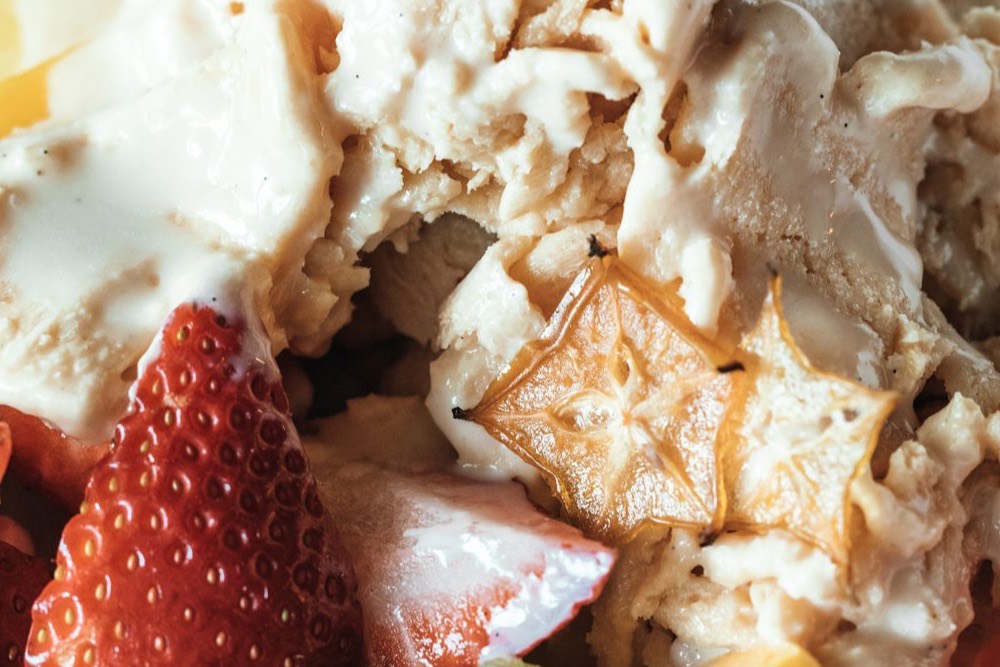
ENFP — Halo-Halo: There is no food in the Filipino culinary universe that captures the ENFP spirit more perfectly than Halo-Halo. Sweet beans, jellies, shaved ice, ube ice cream, leche flan, coconut strips — a chaotic abundance of ingredients that somehow becomes something gloriously unified. Like the ENFP, Halo-Halo defies easy categorization, contains surprising depth, and brings pure joy to everyone who encounters it.
The Sentinels
ISTJ — Adobo: If one dish embodies the ISTJ virtues of reliability, time-tested wisdom, and value that only deepens with age, it is Adobo. The Philippines' unofficial national dish — meat braised in vinegar, soy sauce, garlic, and bay leaves — has been perfected over centuries. Every Filipino family has their recipe, and the ISTJ takes this tradition seriously. Adobo doesn't need to reinvent itself to remain essential. Neither does the ISTJ.
ISFJ — Sinigang: The Defender's greatest gift is making people feel safe, warm, and loved without asking for anything in return. Sinigang — the sour tamarind soup that every Filipino associates with home, comfort, and someone who cares — does exactly this. You don't need to be sick or sad to want Sinigang; you just need to know that someone made it for you. Home is wherever Sinigang is. The ISFJ knows this truth better than anyone.
ESTJ — Pancit Canton: Pancit Canton is the Executive of Filipino food: present at every birthday (symbolizing long life), every gathering, every occasion requiring reliable, satisfying sustenance. It doesn't experiment unnecessarily or try to be something it isn't. Like the ESTJ, Pancit Canton has a proven system, delivers consistent results, and is exactly as dependable as it looks. The backbone of any table, just as the ESTJ is the backbone of any organization.
ESFJ — Lumpia: Handmade with love, prepared in enormous batches to ensure everyone is fed, passed around generously at every important occasion — Lumpia is the ESFJ in food form. The warmth, the effort, the desire to nourish and include everyone: these are ESFJ values made tangible. Like the ESFJ, Lumpia might not always be the most glamorous dish on the table, but everyone notices when it isn't there.
The Explorers
ISTP — Kinilaw: The Virtuoso's approach to any craft is to strip away everything unnecessary and let the essential quality speak for itself. Kinilaw — raw fish or seafood "cooked" only by the chemistry of vinegar and citrus — is the most technically honest dish in Filipino cuisine. There is nowhere to hide imprecision. The freshness of the ingredients, the precision of the acid balance, the timing: these are everything. Like the ISTP, Kinilaw is direct, efficient, and reveals exactly what it is without performance or pretense.
ISFP — Buko Pie: Humble on the outside, unexpectedly rich and artful within — Buko Pie captures the ISFP's character perfectly. The free-spirited Adventurer doesn't announce their depth; they show it in what they create and how they experience the world. Buko Pie rewards the patient taster who doesn't need flash to recognize quality. Both the dish and the person represent the Filipino value of natural beauty and craftsmanship that doesn't need to explain itself.
ESTP — Isaw: The Entrepreneur thrives where others hesitate. Isaw — grilled chicken or pork intestines on a stick, eaten at the street food stall with vinegar dip — is not a dish for the timid or the overthinking. It rewards confidence, presence, and the ability to appreciate the full range of experience without needing everything to be comfortable or conventional. Like the ESTP, Isaw is bold, unforgettable, and best enjoyed in the moment without excessive deliberation.
ESFP — Crispy Pata: The Entertainer commands attention in every room and makes every occasion feel like a celebration. Crispy Pata — the gloriously crackling, deep-fried whole pork leg that announces itself with its size and appearance — does the same thing at every table. Neither the ESFP nor the Crispy Pata arrives quietly. Both are an experience rather than just a presence, and both leave an impression that outlasts the occasion itself.
Take the Test and Find Your Match
These 16 pairings aren't random — each was developed by considering the genuine personality characteristics of each type alongside the cultural history, flavor profile, and symbolic meaning of each dish. Filipino cuisine is rich enough to accommodate all 16 human personalities, which reflects something true about the Philippines itself: a country of extraordinary diversity and depth, united by a shared love of food as language, love, and identity.
If you haven't taken the Pinoy Food Personality Test yet, discover which of these 16 iconic Filipino dishes represents who you are.
About the author
Sam is Korean, a former MBTI skeptic, and the person who built this site. Not a professional chef or a food historian — an enthusiast who cooks the dishes, does the reading, and cross-checks the history against documented Philippine culinary sources. Corrections are welcome and get made. Read the full story.